Transforming Education Through STEAM Learning
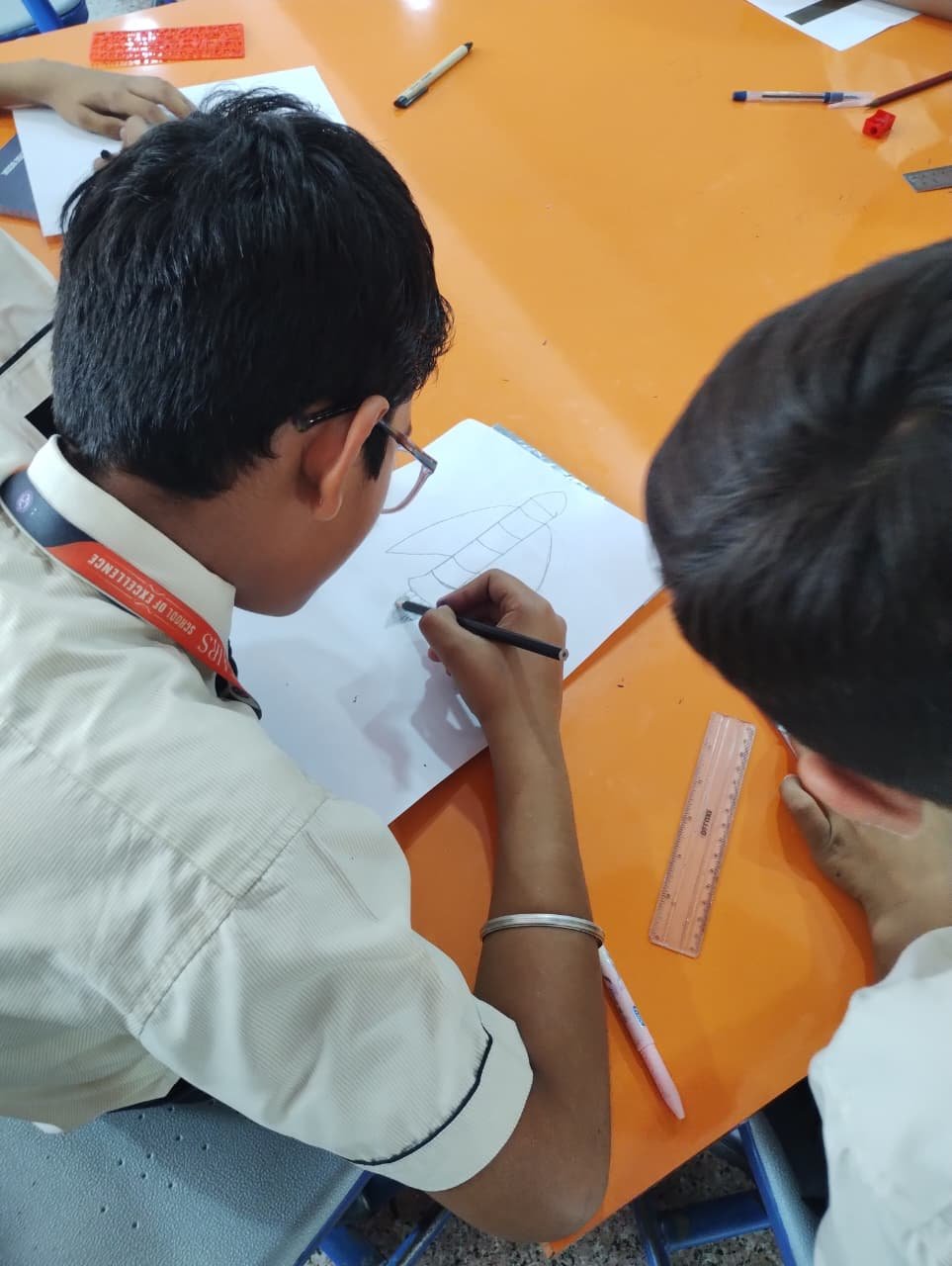
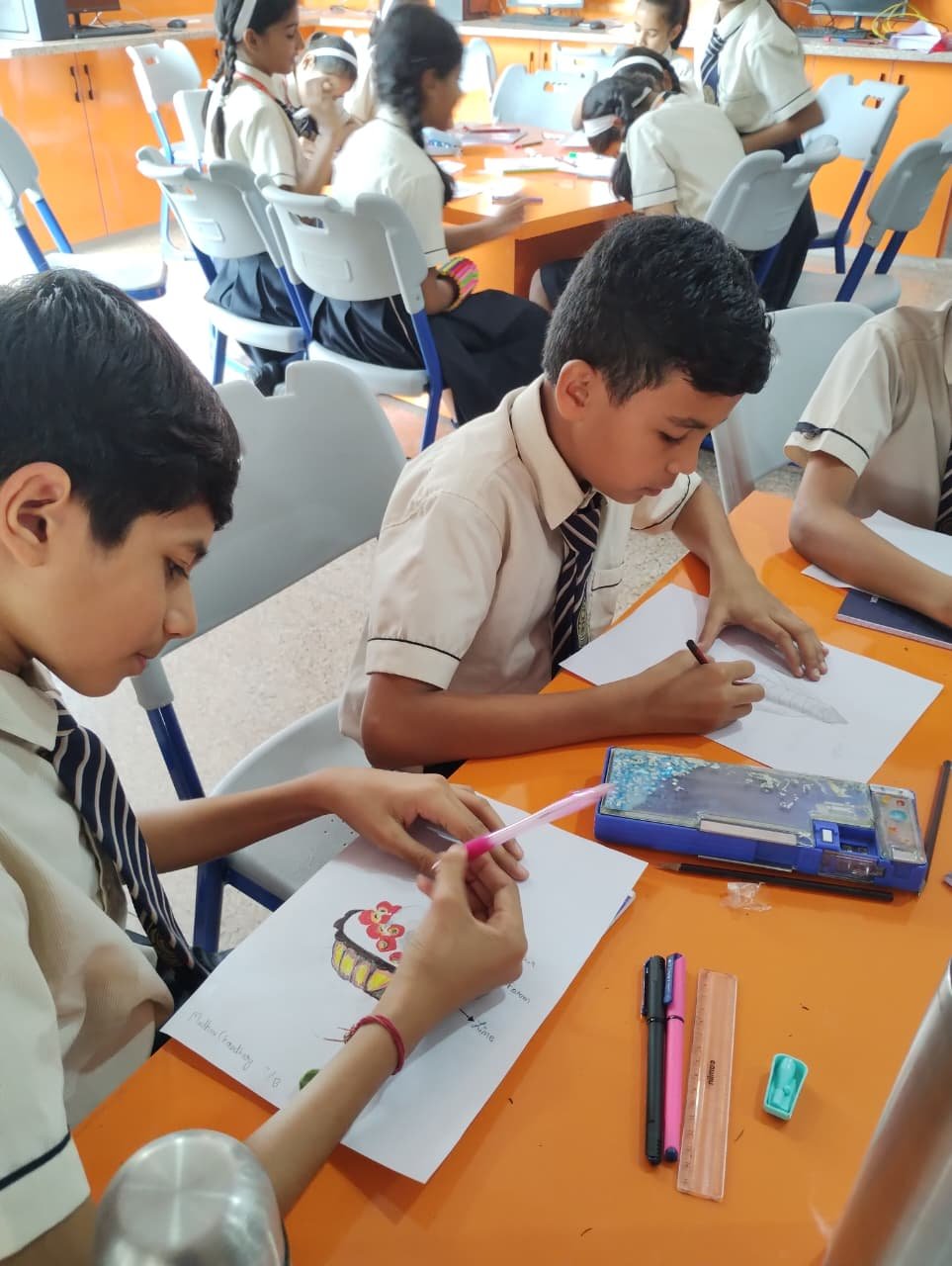
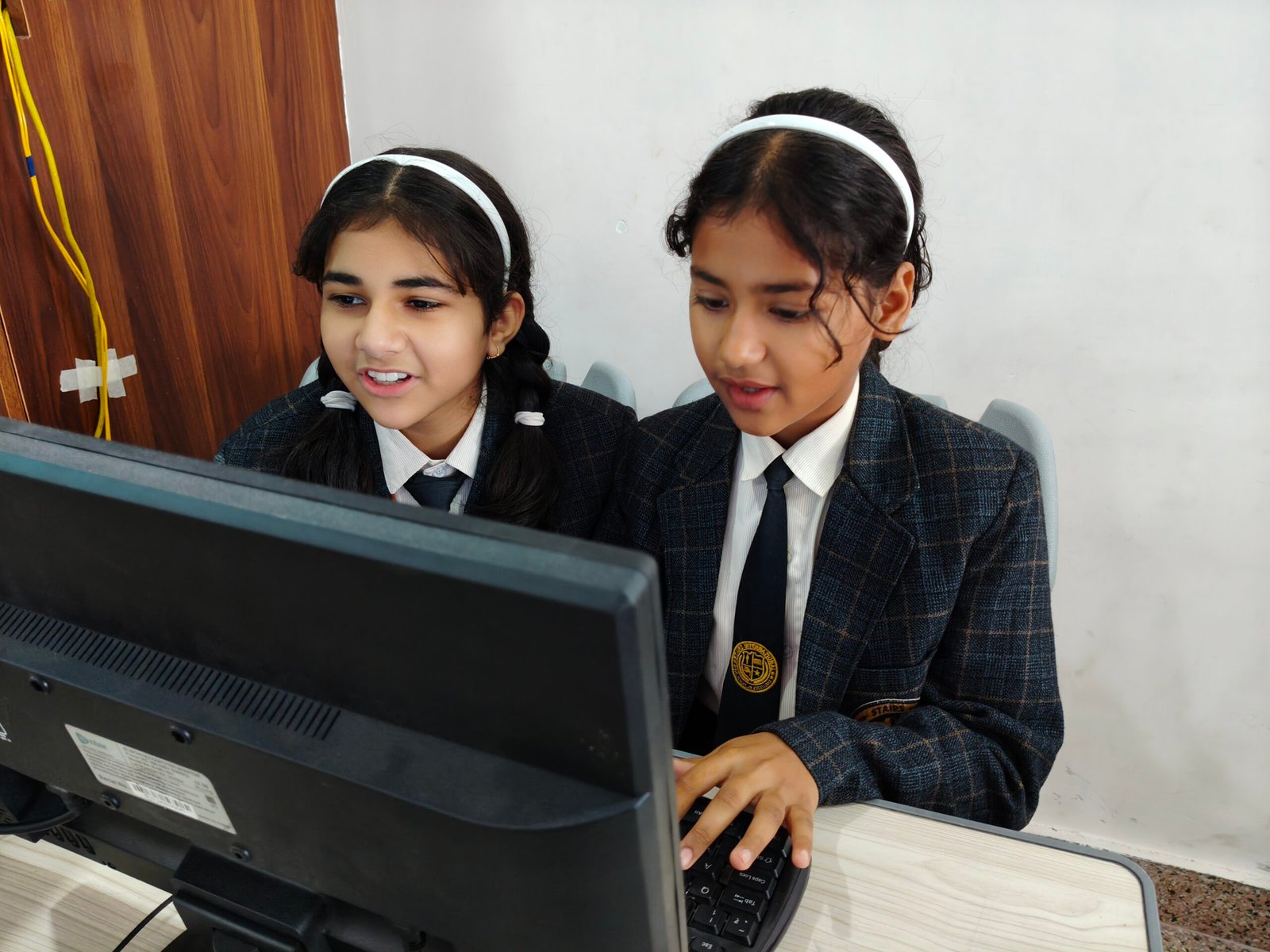
Education is rapidly evolving, and schools must prepare students for future technologies. Therefore, the introduction of the I-KIT STEAM Lab at Stairs School of Excellence Kota represents a major step toward experiential learning. Unlike traditional classrooms, this lab allows students to explore scientific concepts through practical experiments and real-world projects.
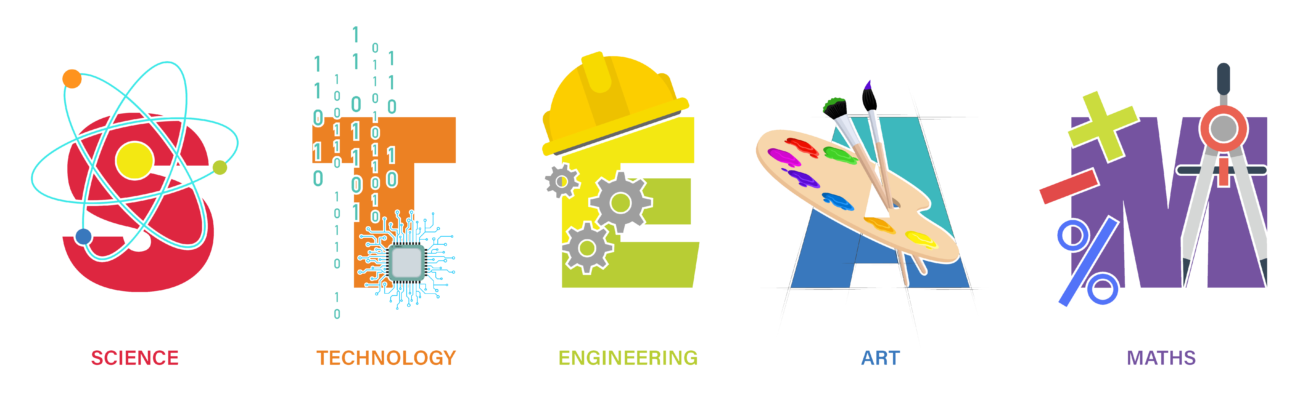
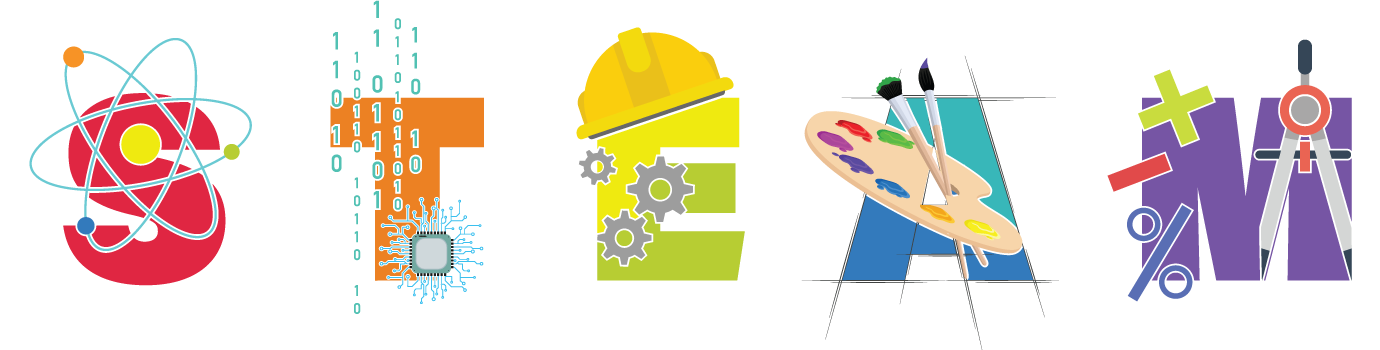
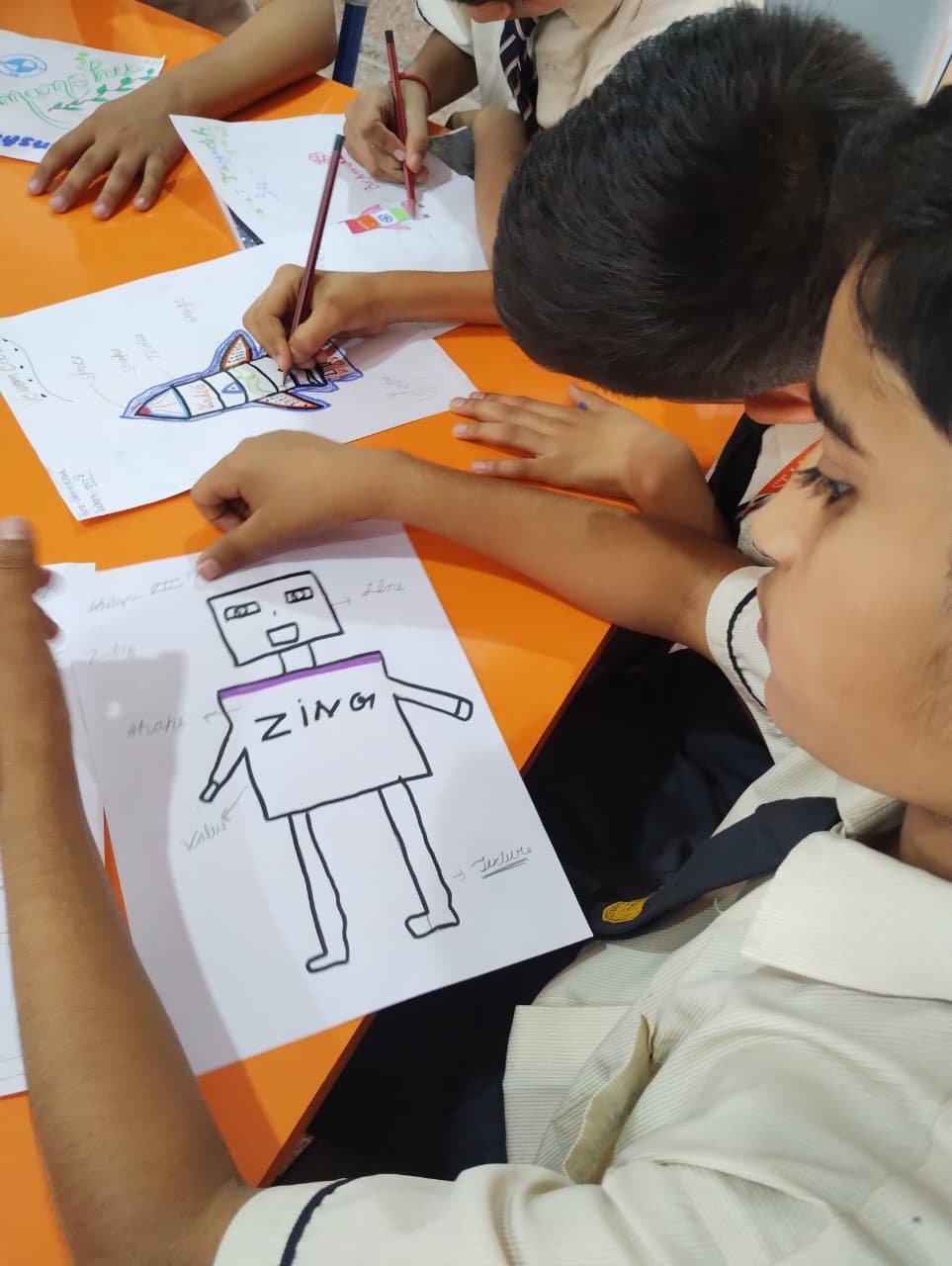
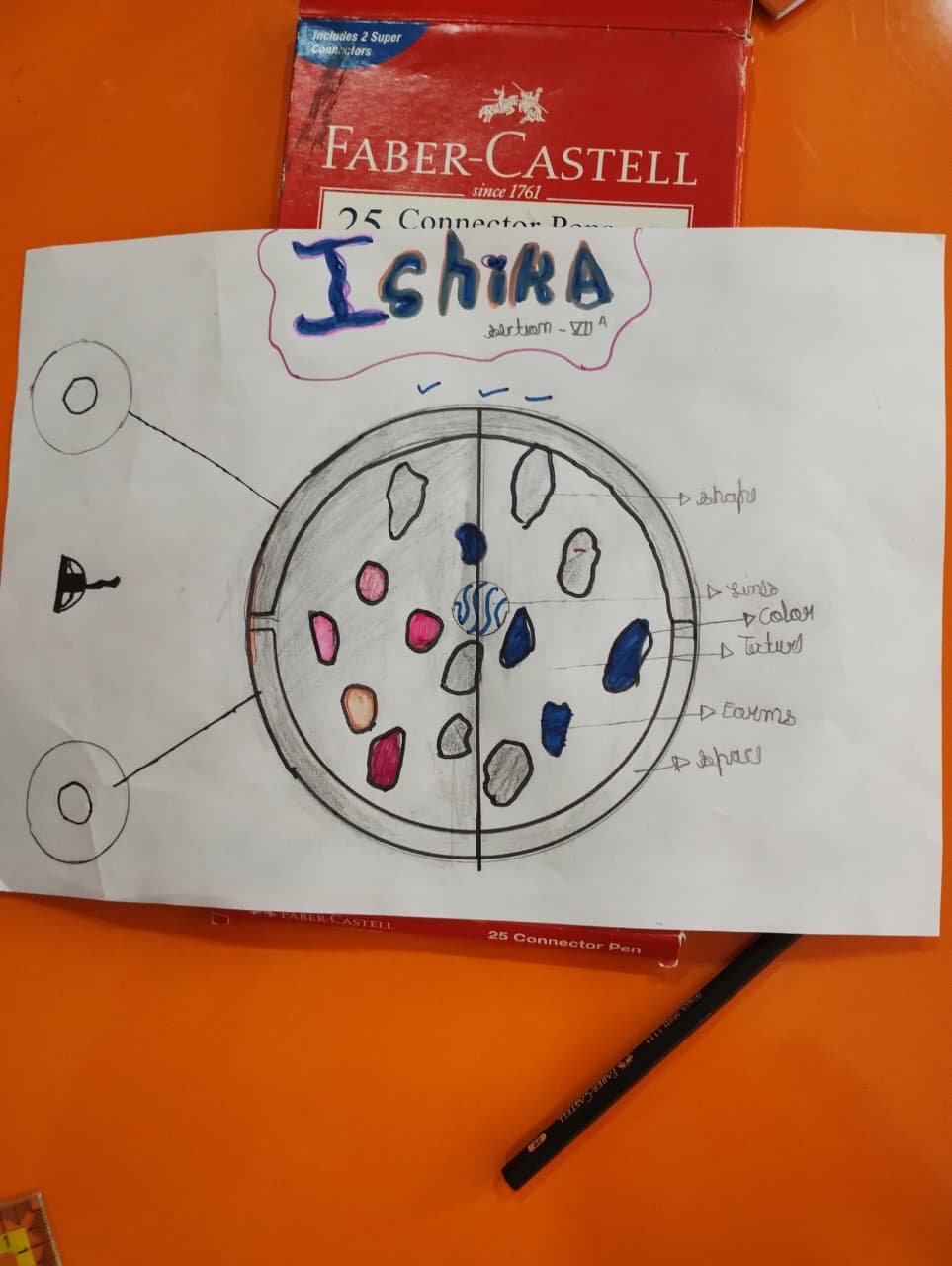
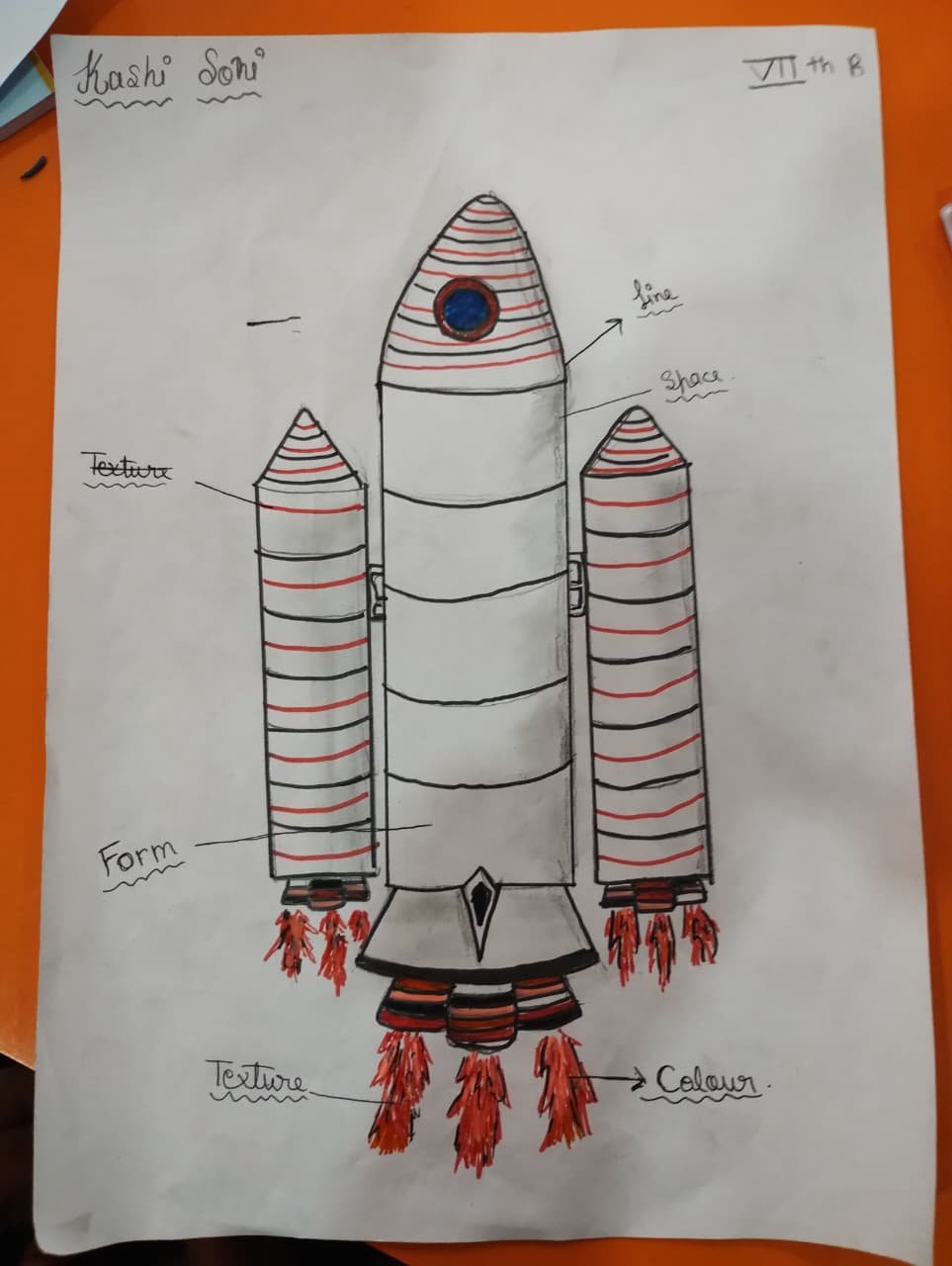
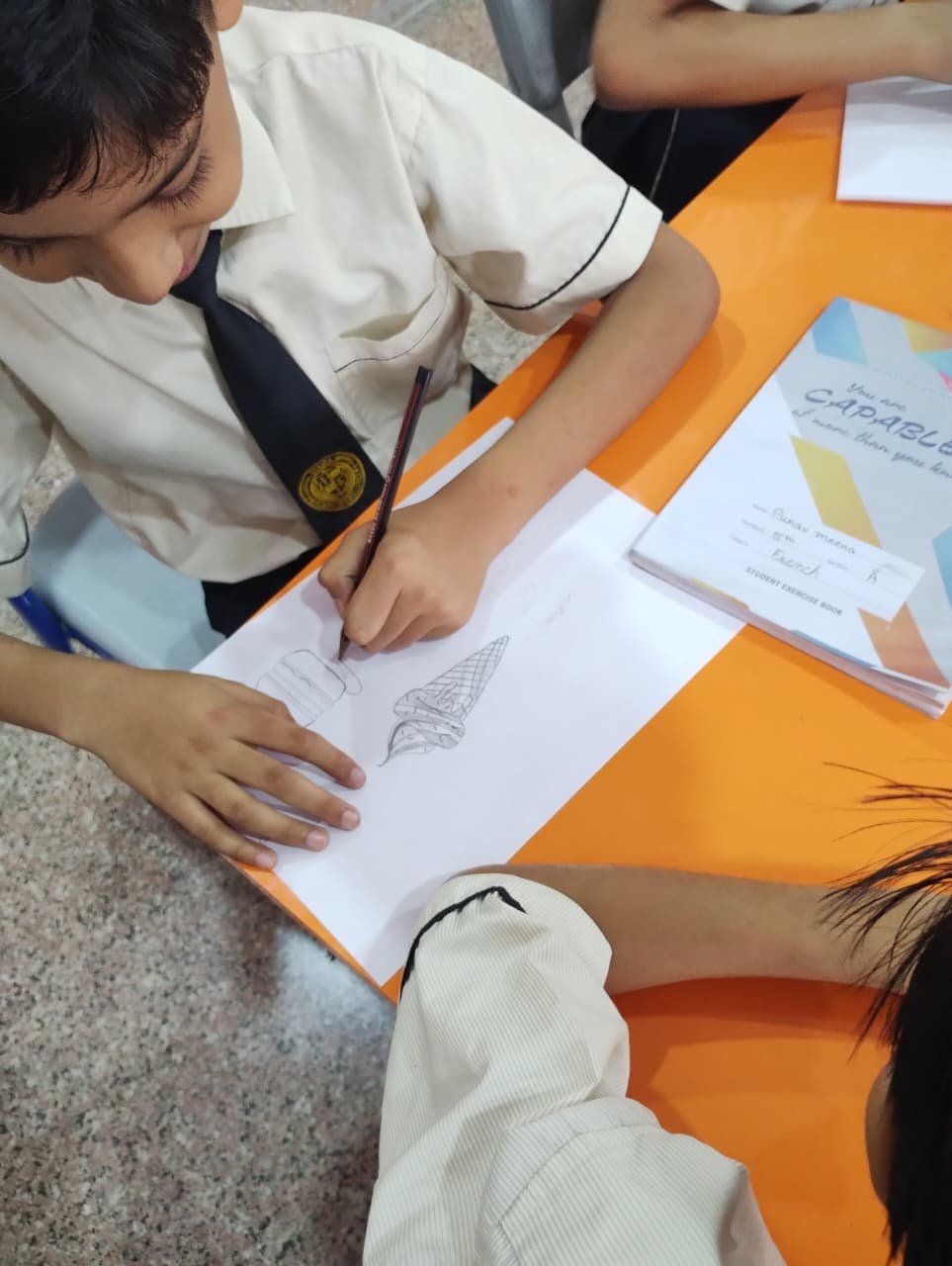
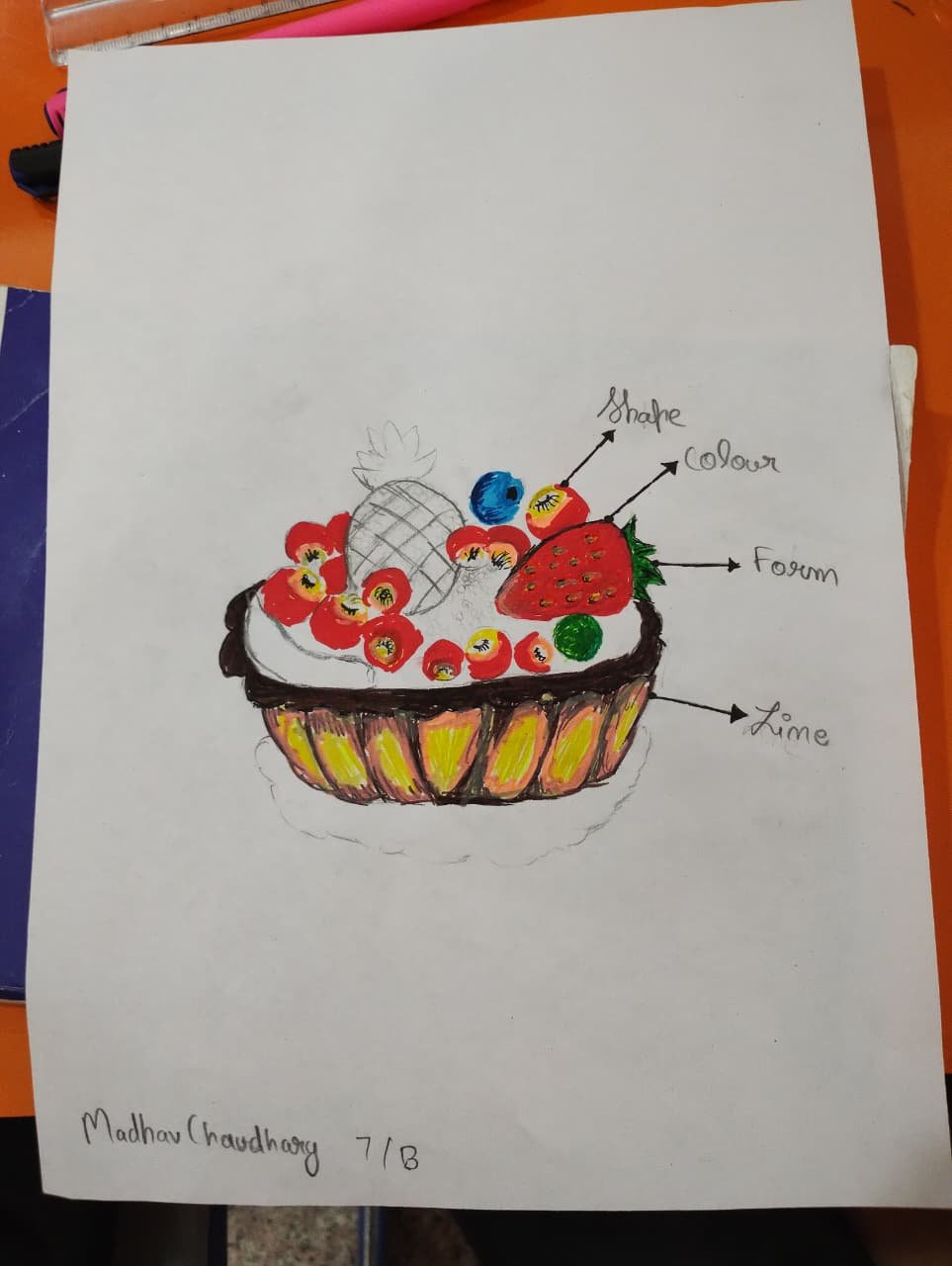
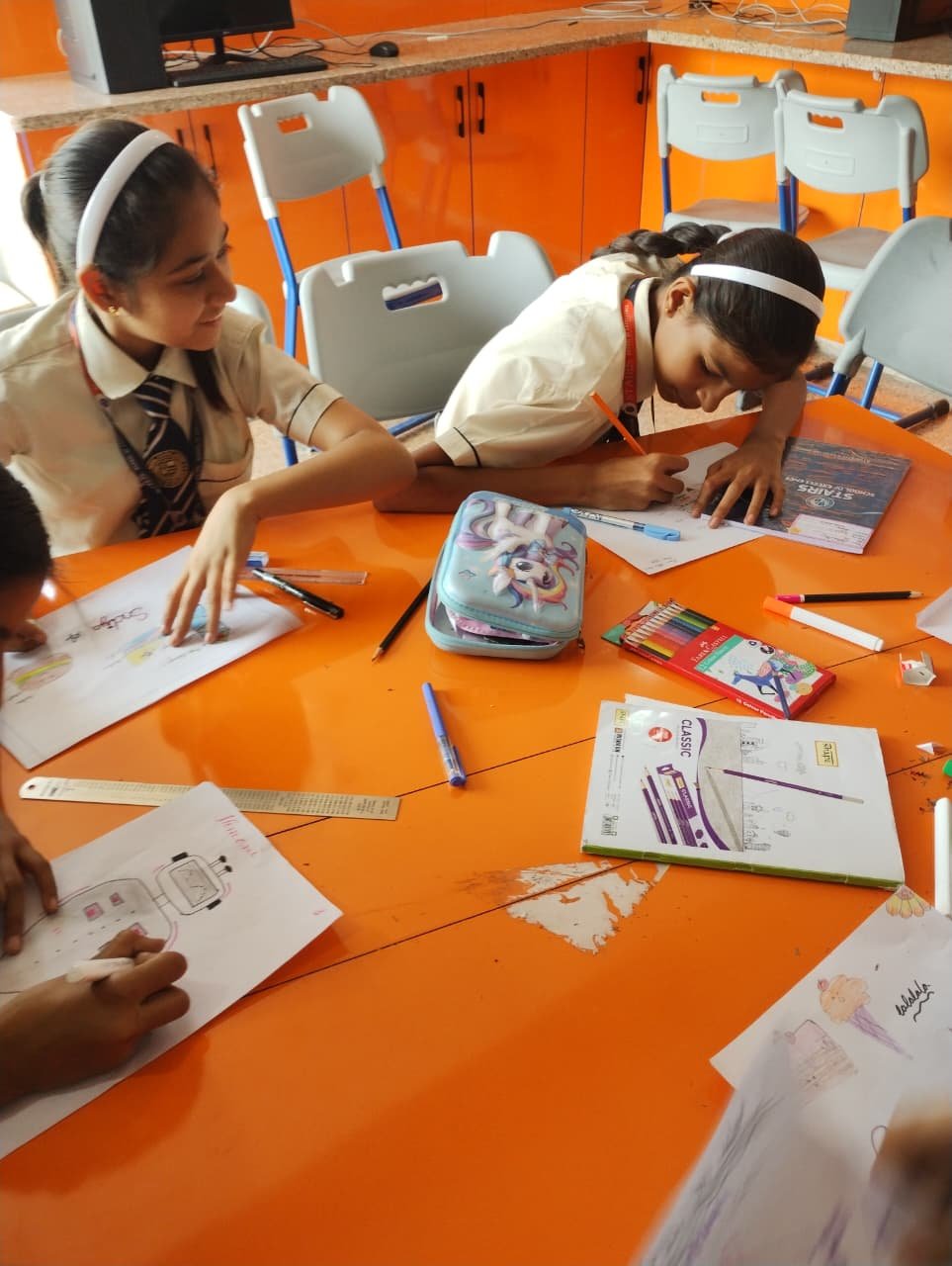
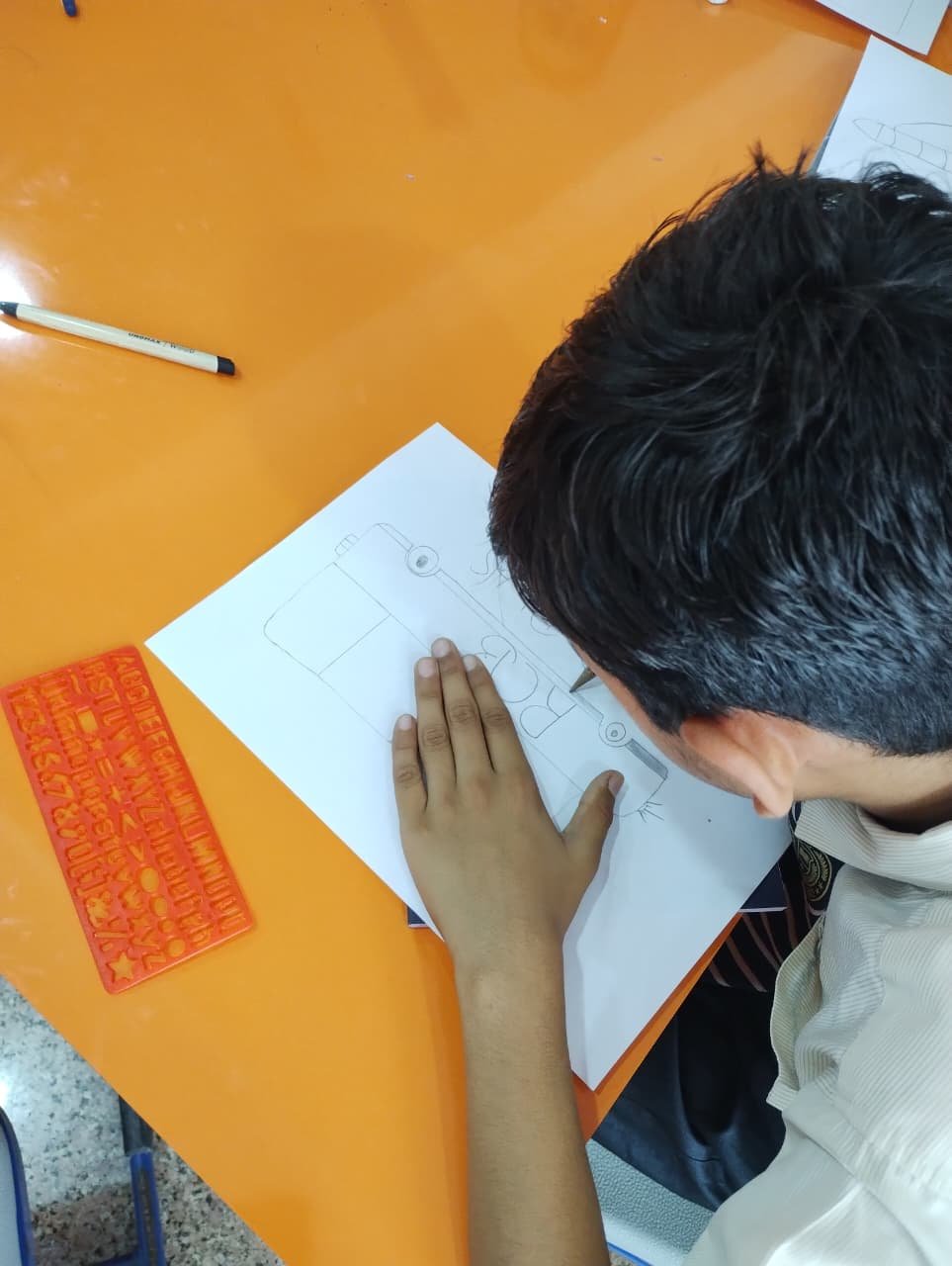
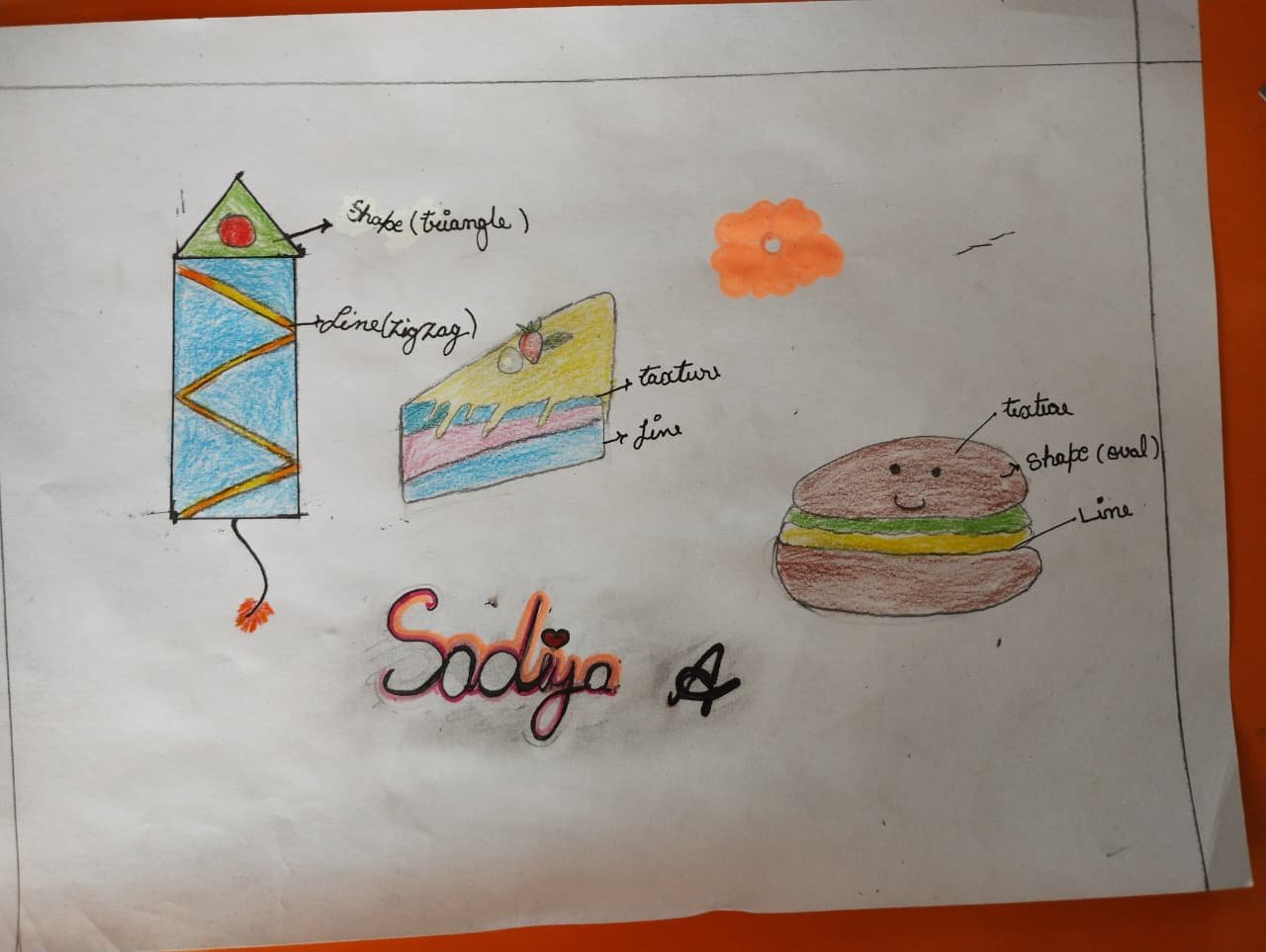
Moreover, STEAM education integrates Science, Technology, Engineering, Arts, and Mathematics into a unified learning model. As a result, students not only understand theoretical concepts but also learn how to apply them in real-life situations. In addition, this interdisciplinary approach encourages creativity, innovation, and critical thinking among young learners.
Hands-On Innovation and Project-Based Learning
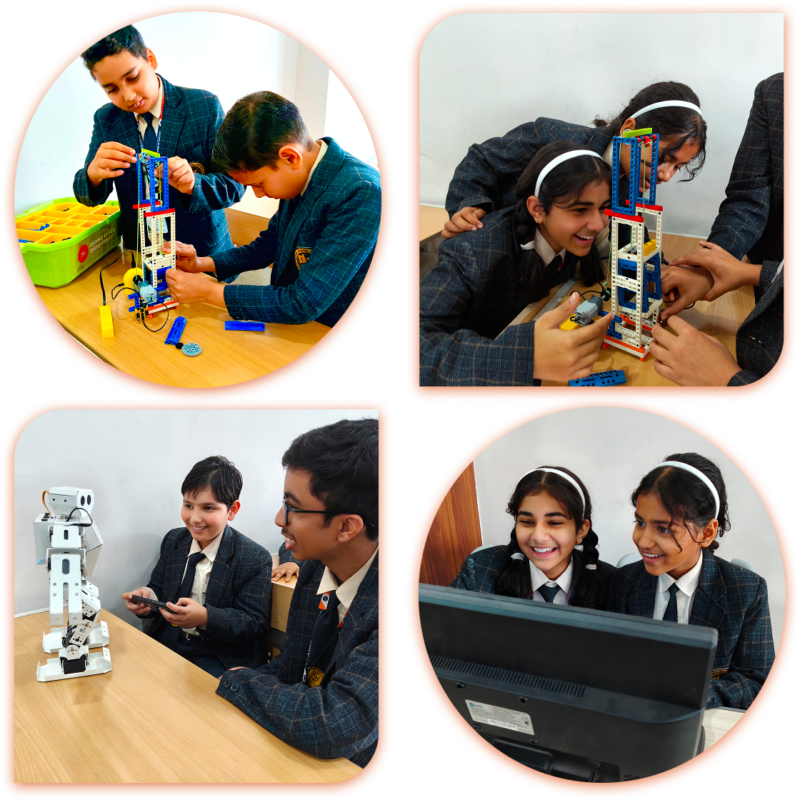
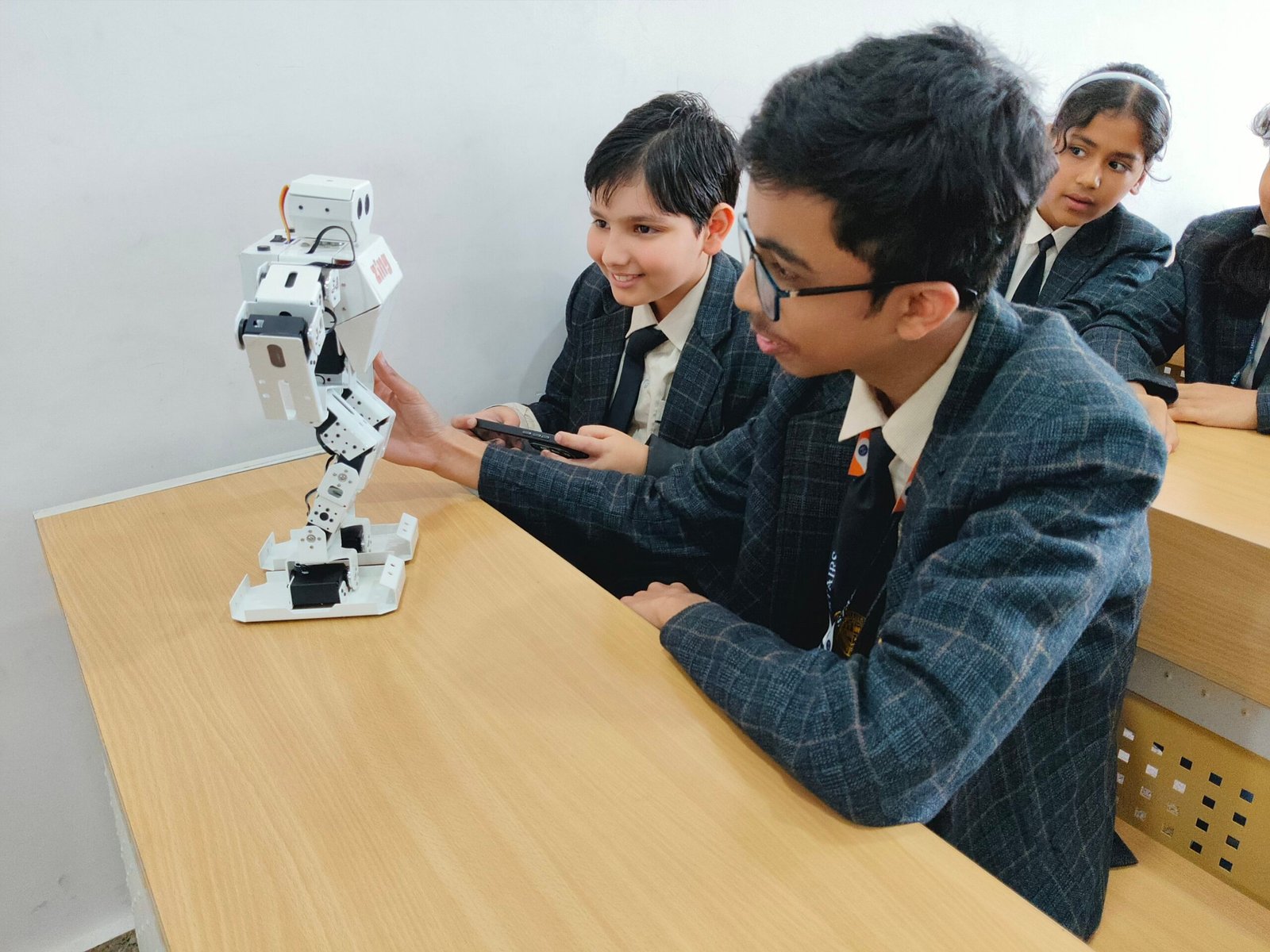
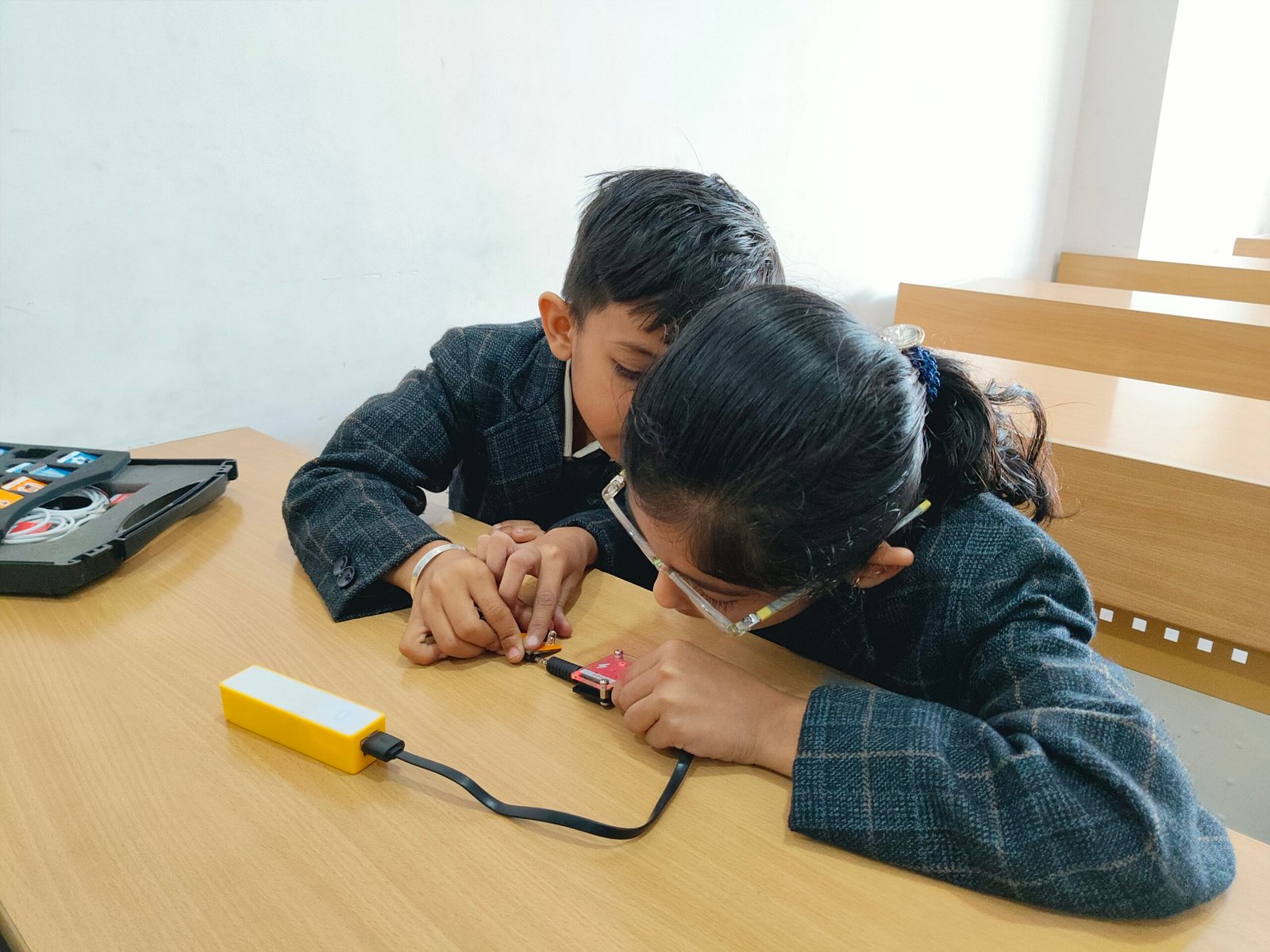
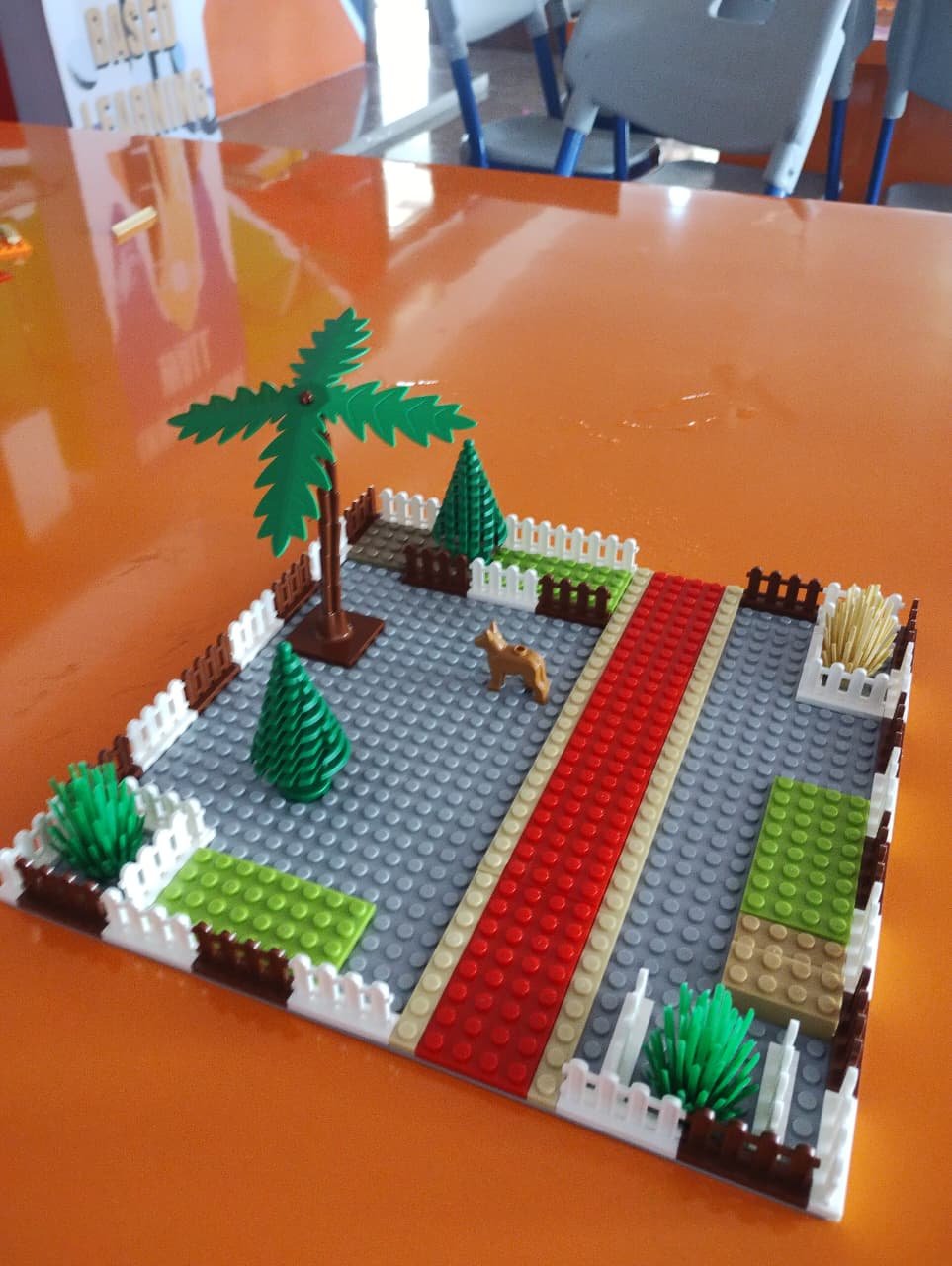
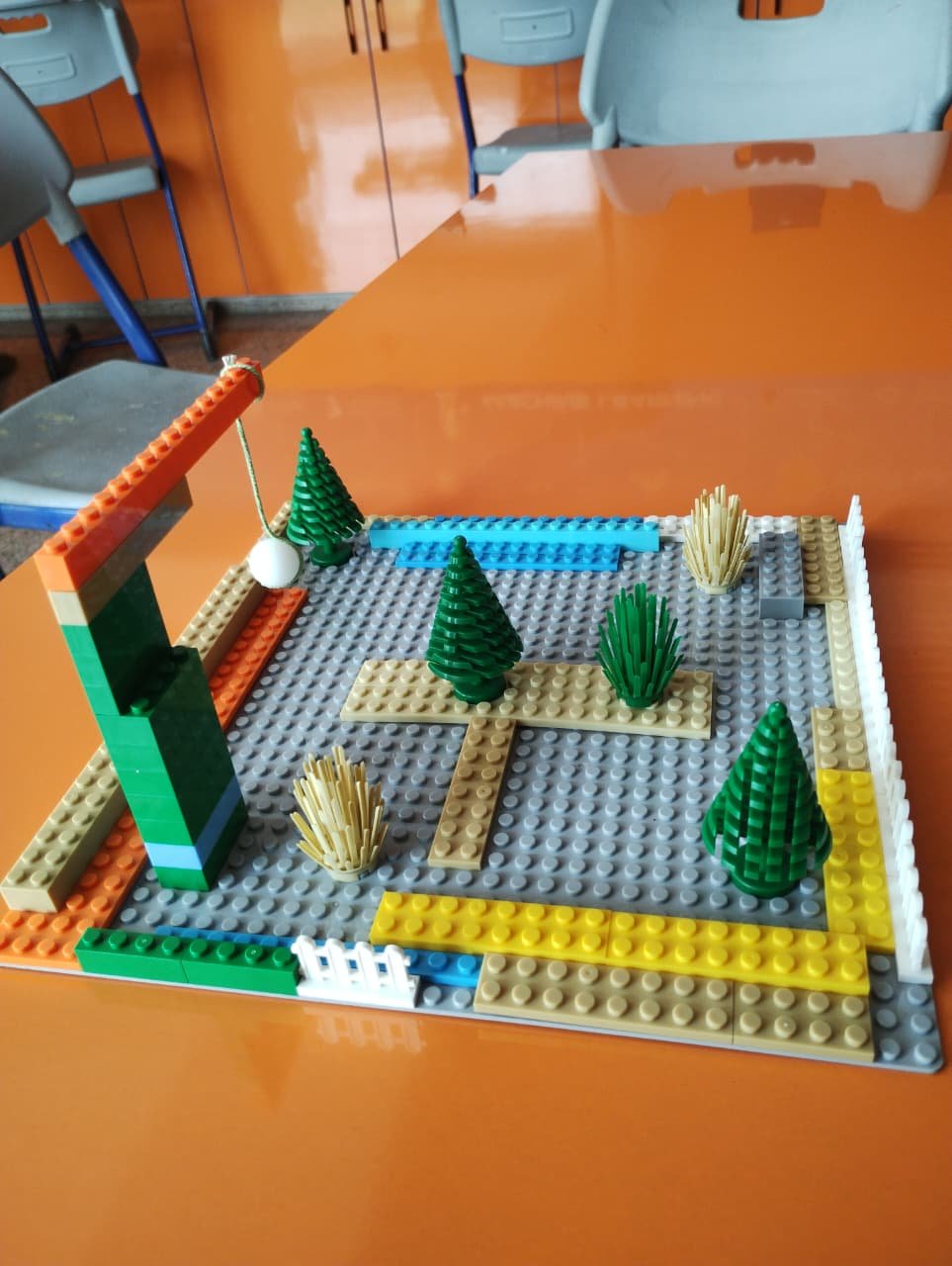
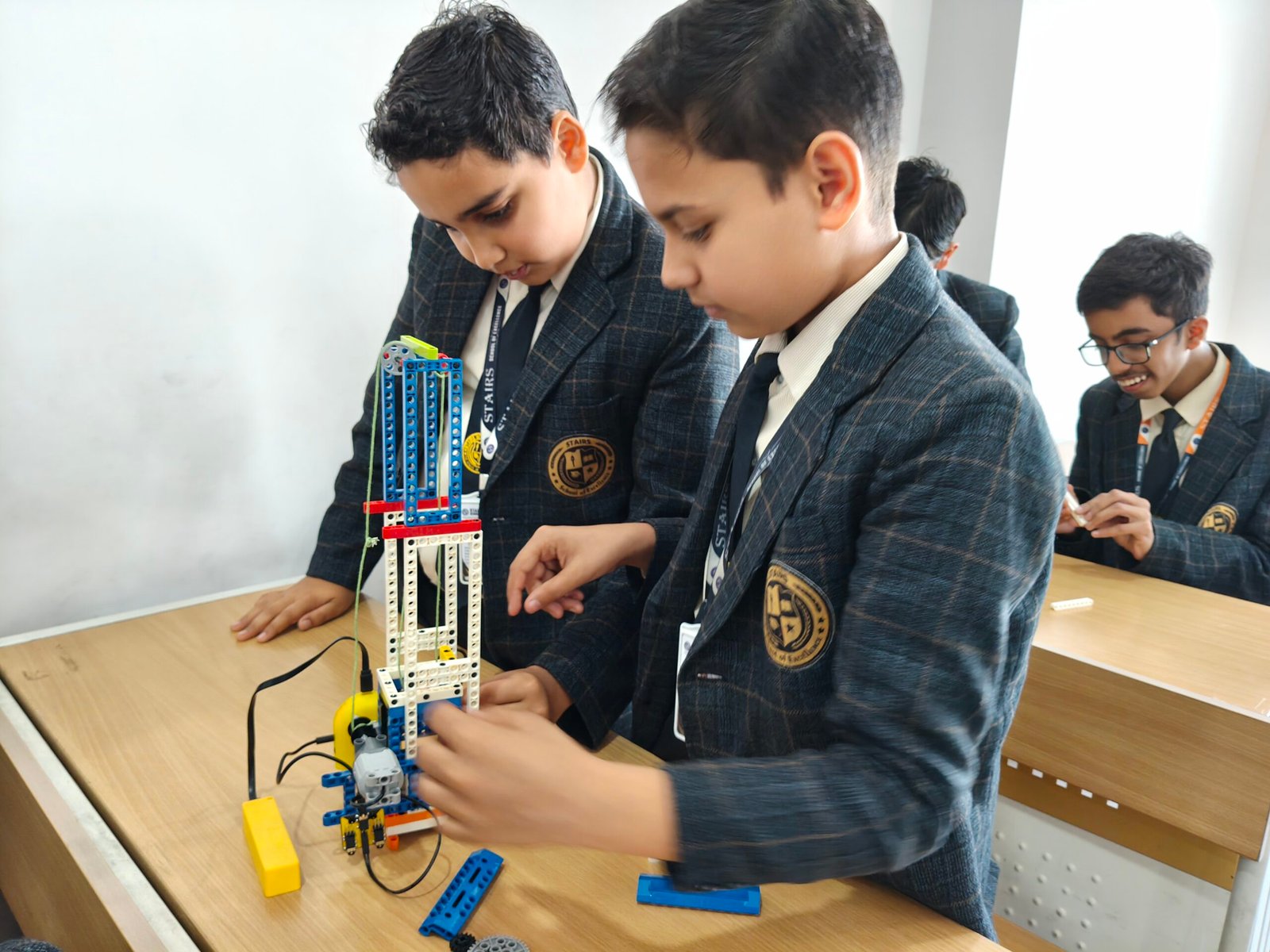
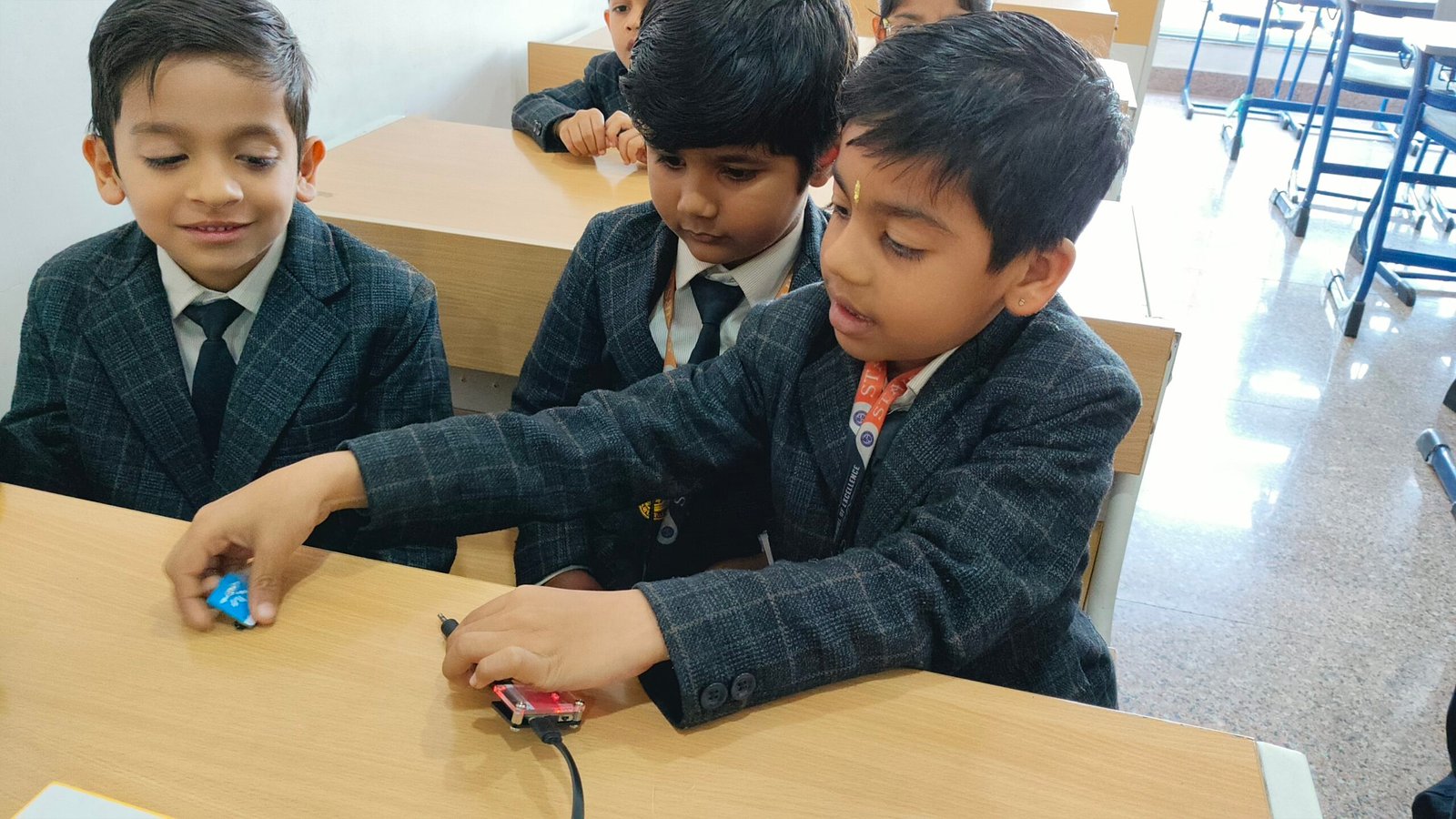
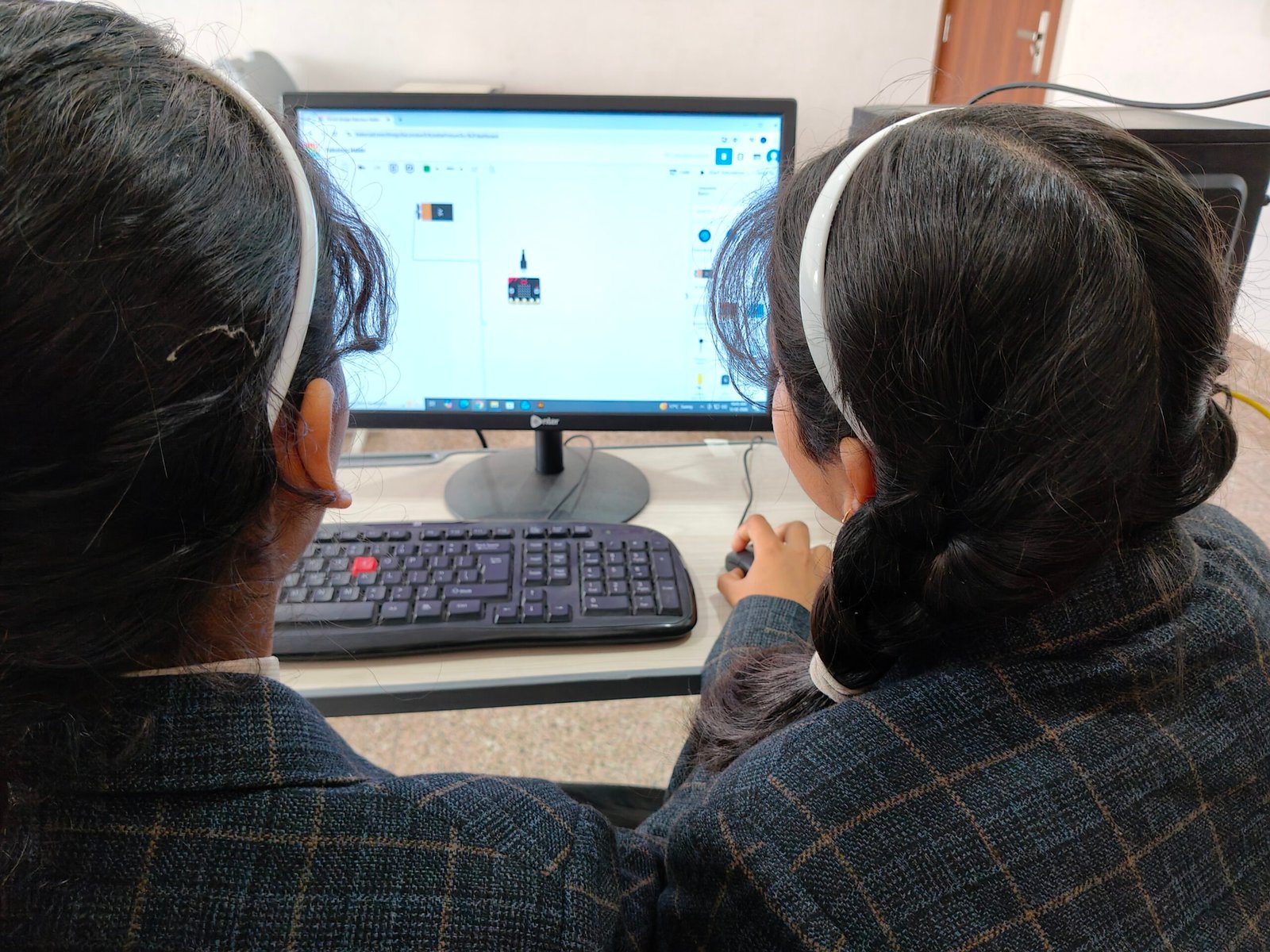
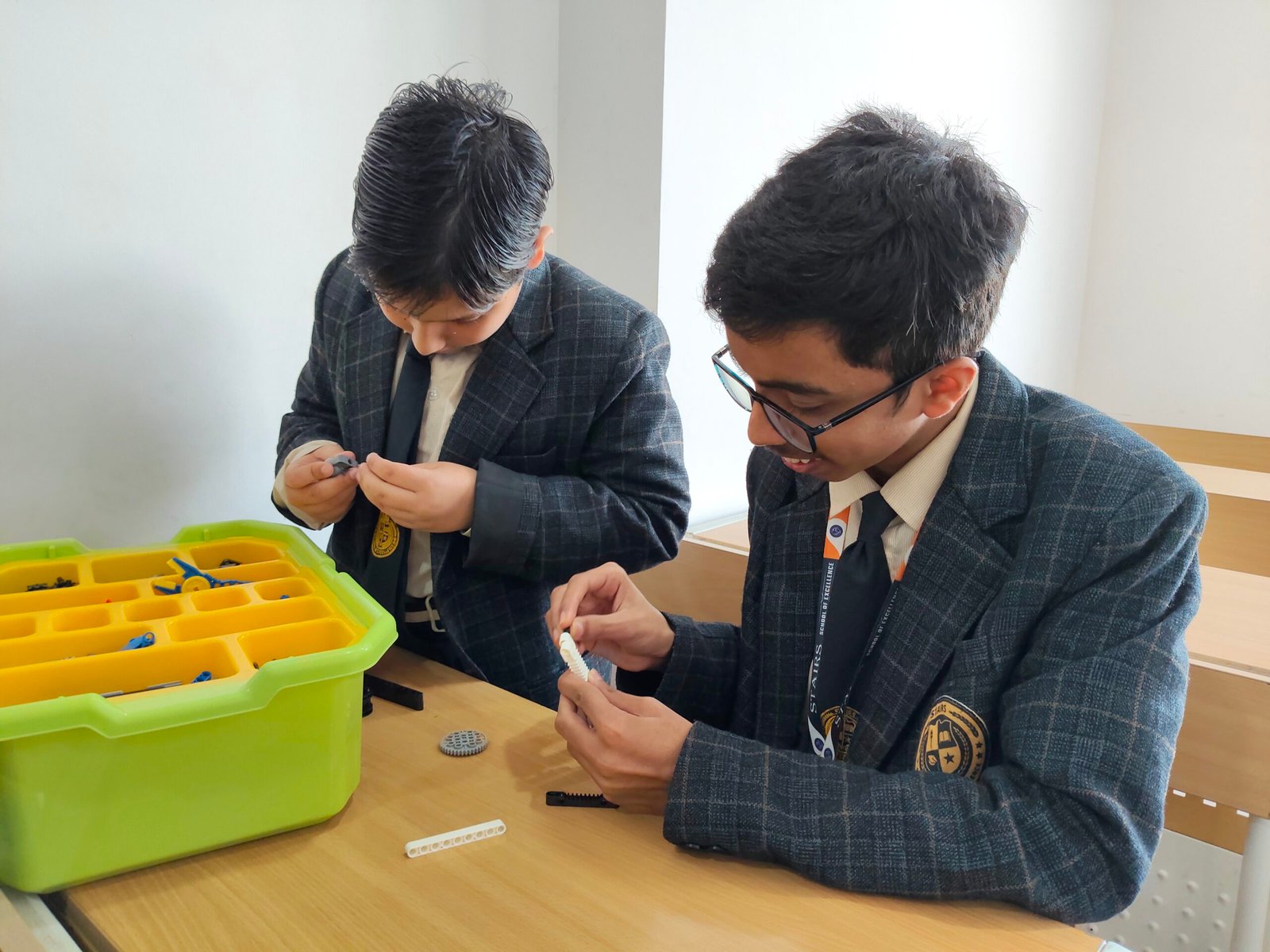
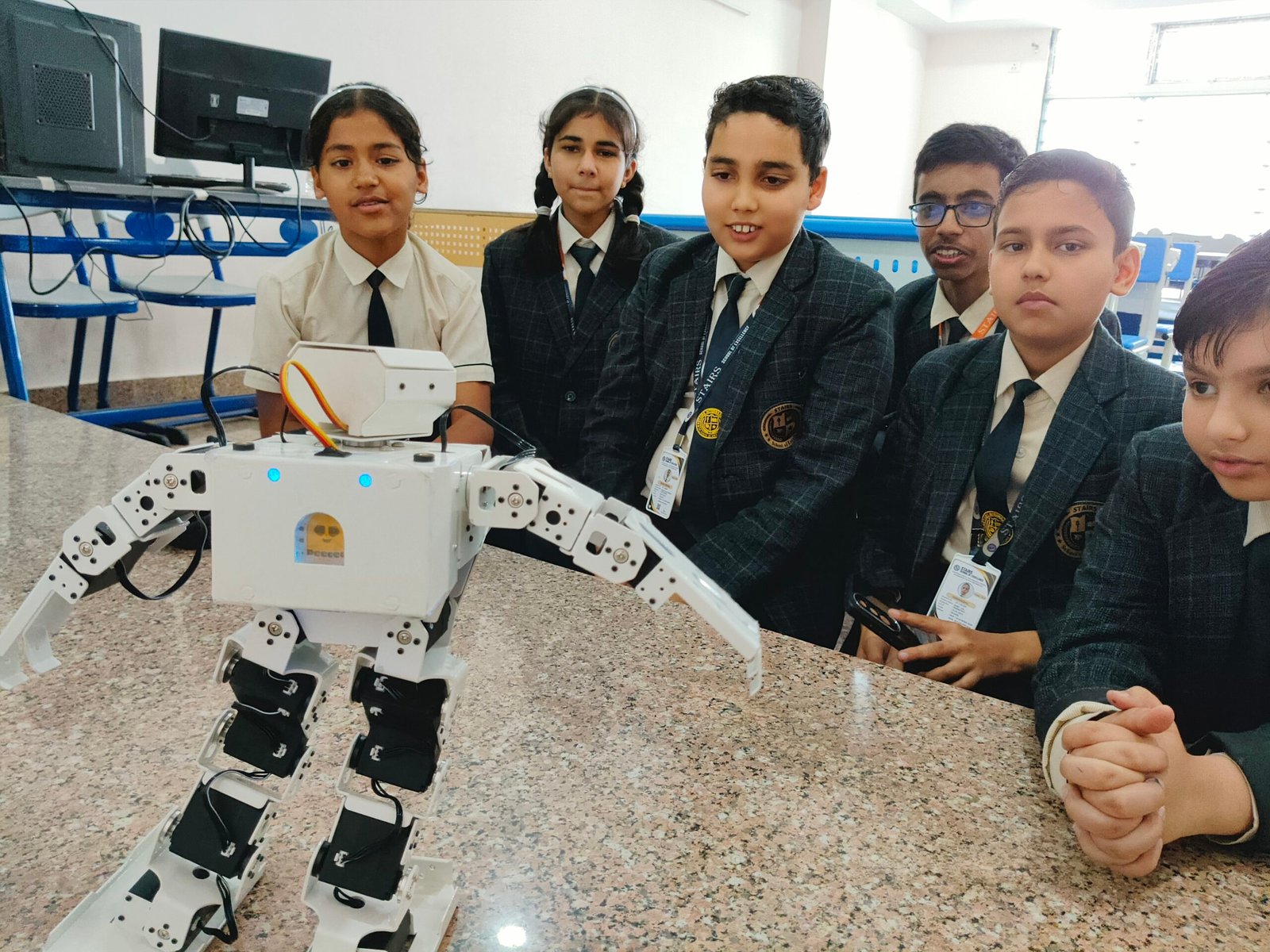
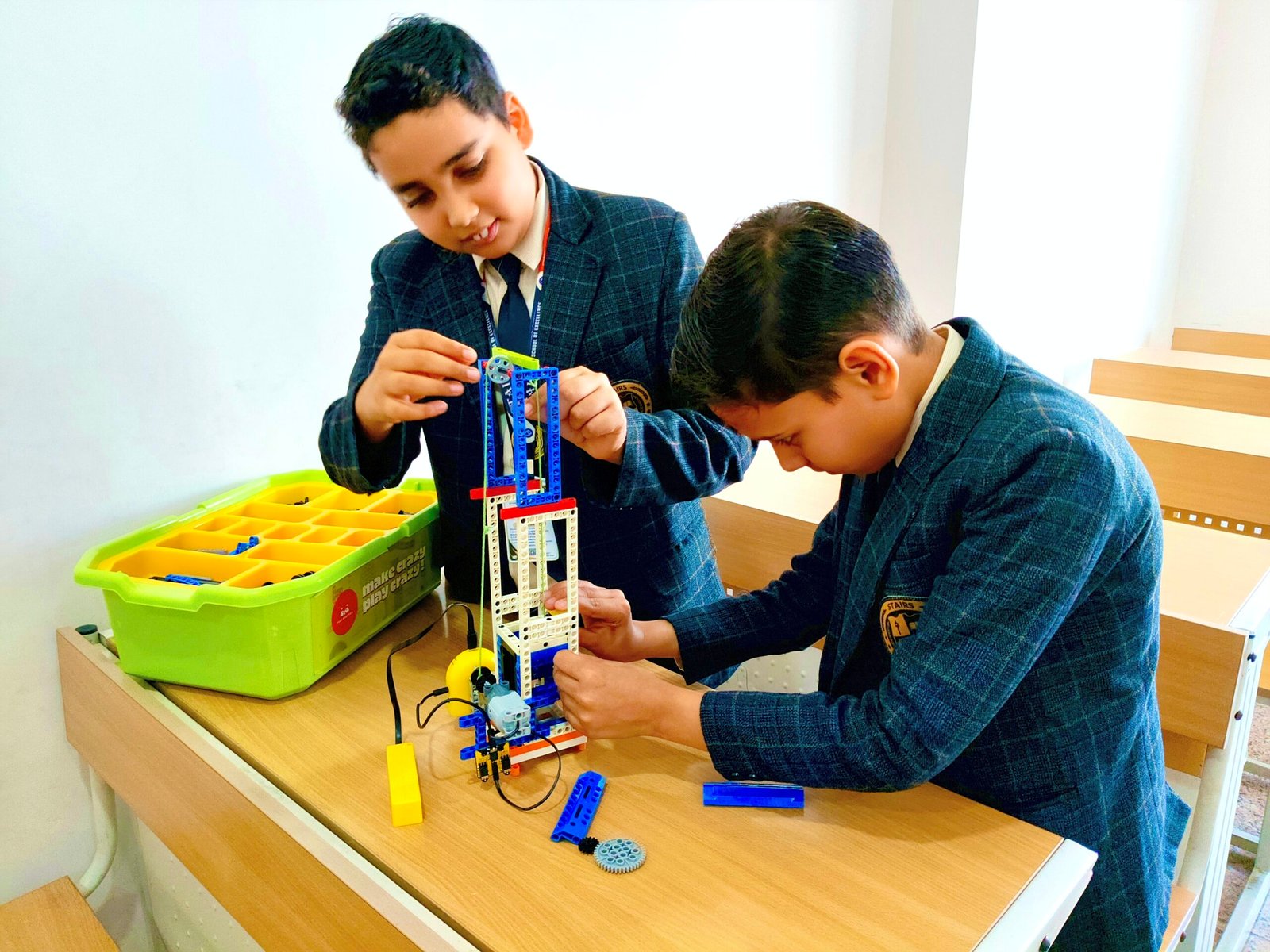
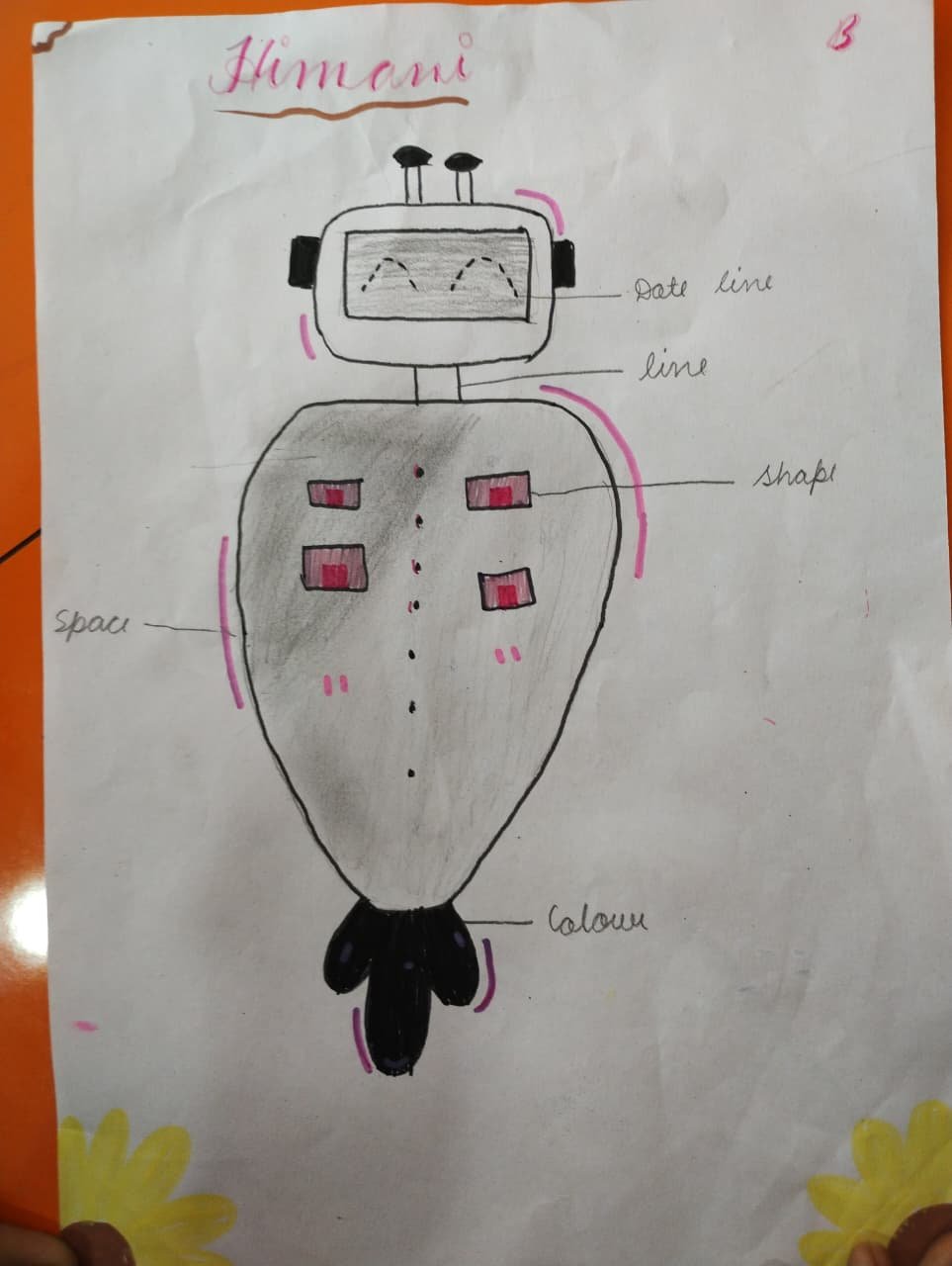
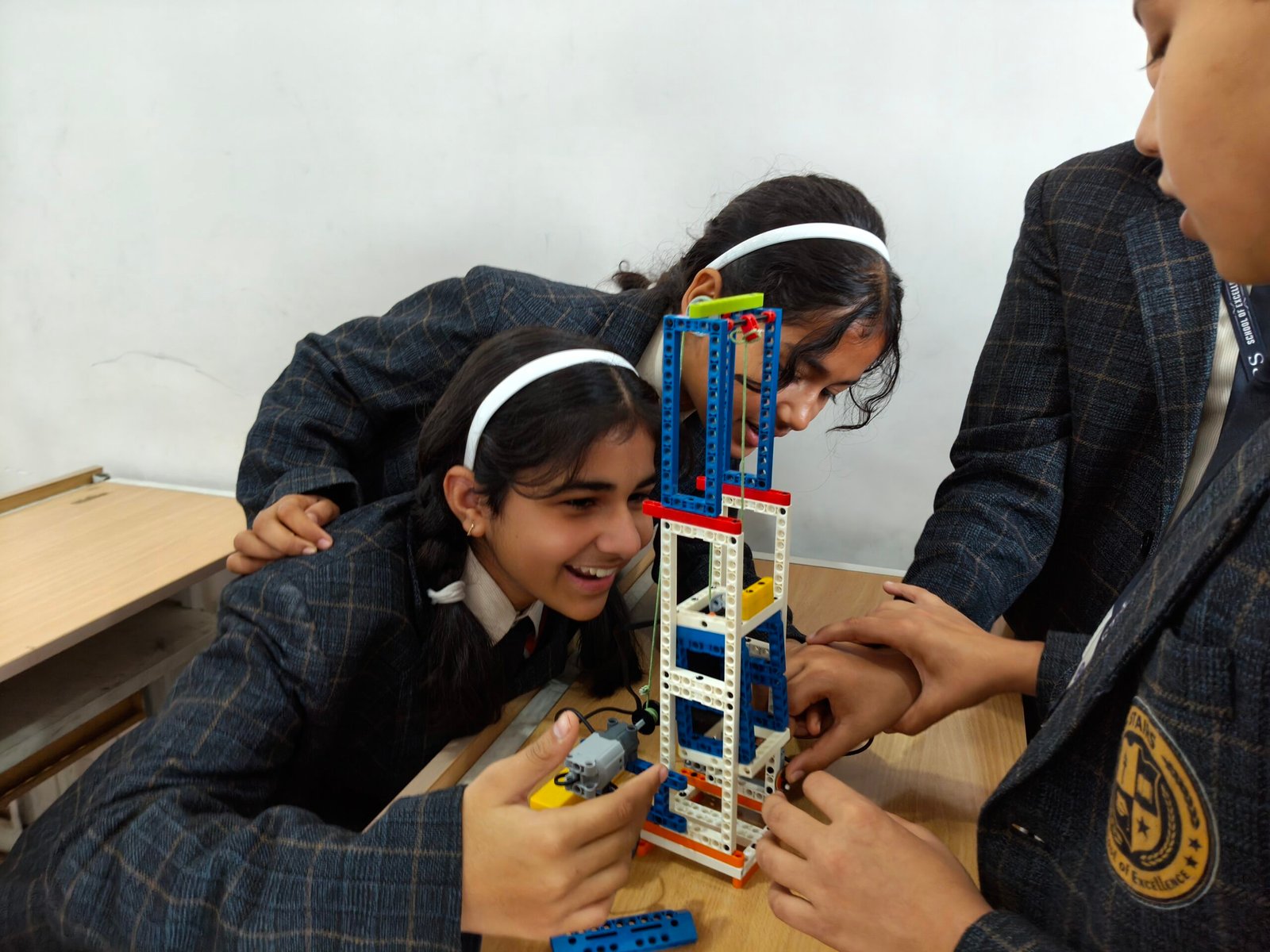
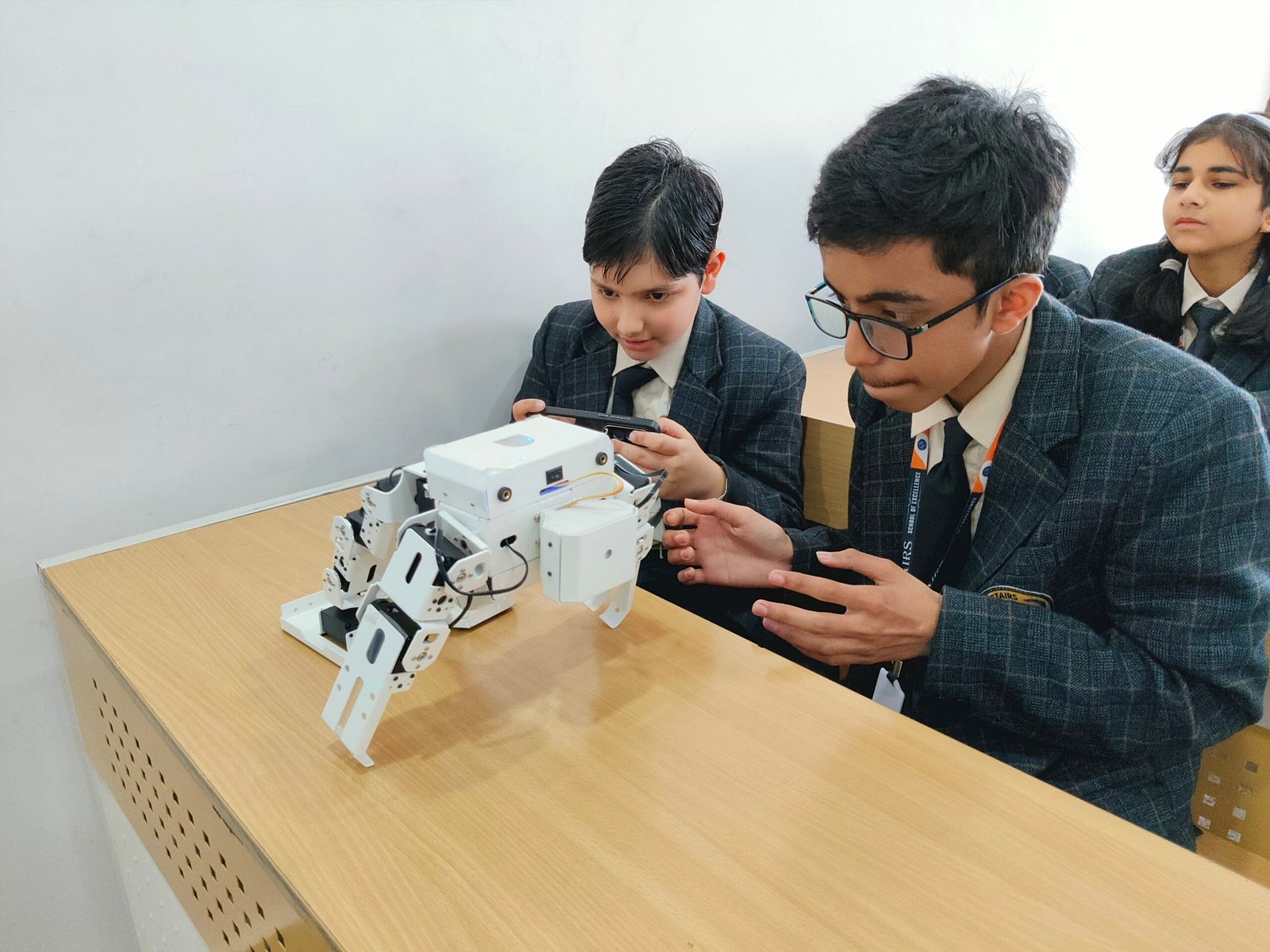
Students in the I-KIT STEAM Lab actively participate in project-based learning. For example, they build robotics models, design engineering structures, and experiment with electronics and automation systems. Furthermore, these hands-on activities help students understand complex scientific principles in an engaging way.
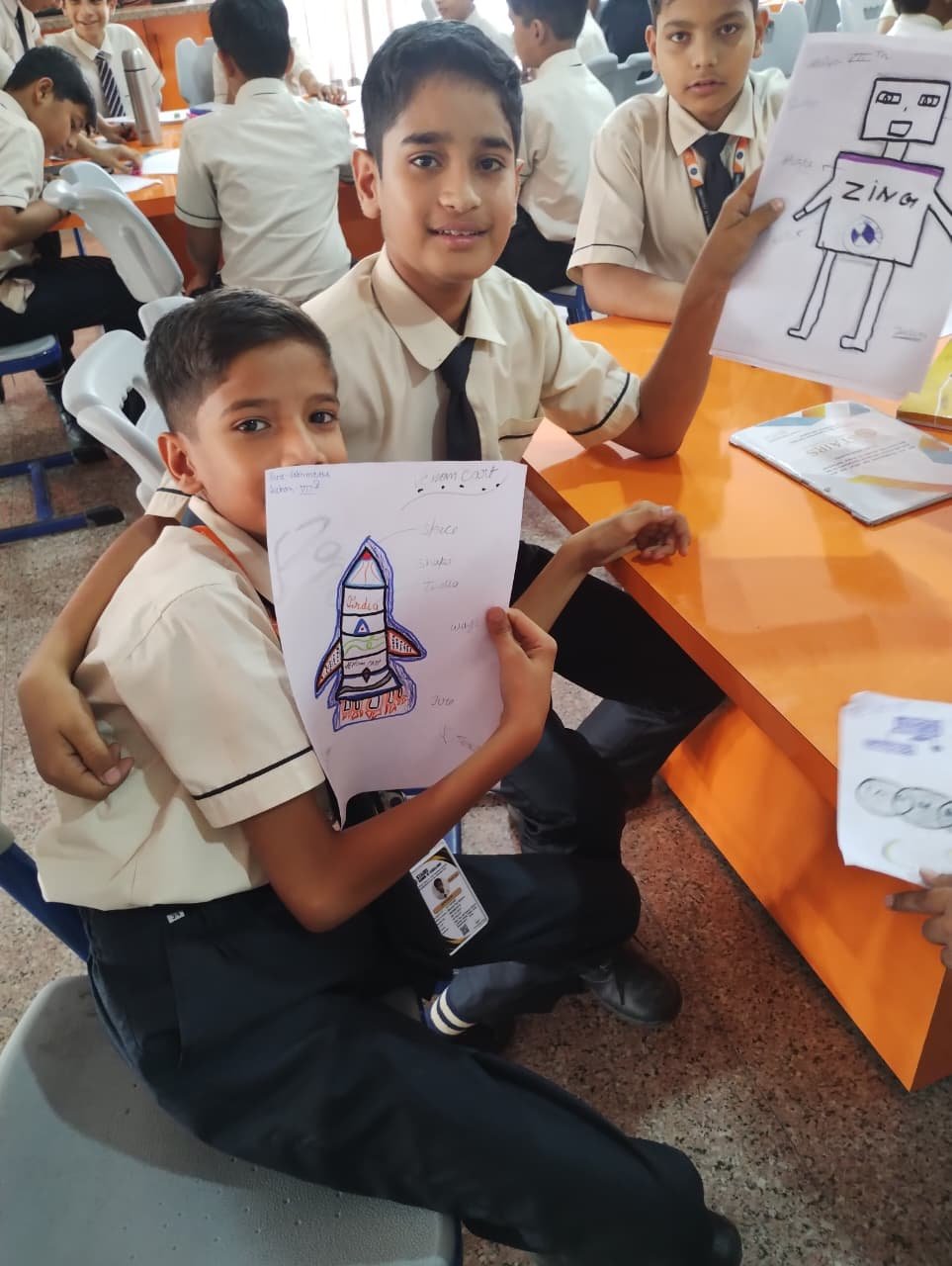
Additionally, working on collaborative projects improves teamwork and communication skills. Consequently, students gain confidence while presenting their ideas and prototypes. Most importantly, this process encourages curiosity and motivates students to explore advanced technologies.
Preparing Students for Future Technologies
Technology is shaping every industry today. Therefore, schools must introduce students to emerging fields such as Artificial Intelligence, Robotics, and Internet of Things. Similarly, coding and engineering concepts help students develop logical thinking and computational skills.
As a result, students become better prepared for careers in science, engineering, and technology. Meanwhile, exposure to innovation at an early age helps them discover their interests and talents. Ultimately, this prepares them to become creators and innovators rather than just consumers of technology.
A Future-Ready Learning Environment in Kota
The I-KIT STEAM Lab at Stairs School of Excellence Kota creates a dynamic learning ecosystem. Not only does it enhance academic understanding, but it also develops essential 21st-century skills. In addition, the lab aligns with modern education practices that emphasize creativity, collaboration, and problem-solving.
Finally, this initiative ensures that students receive a future-ready education that prepares them for the rapidly changing technological world.